An Embroidered Love Letter: Reviewing the “I Love My Chihuahua” Design
When a client asks for a custom tote bag featuring her beloved Chihuahua, I don’t just grab any generic dog file. The design needs personality, clarity, and a feel that matches the pet’s spirit. That’s the lens I’m using to evaluate the “I Love My Chihuahua” embroidery design. This isn’t a product description; it’s a practical look at how this graphics file translates into real thread on real fabric.
First Impression: A Sweet, Approachable Vibe
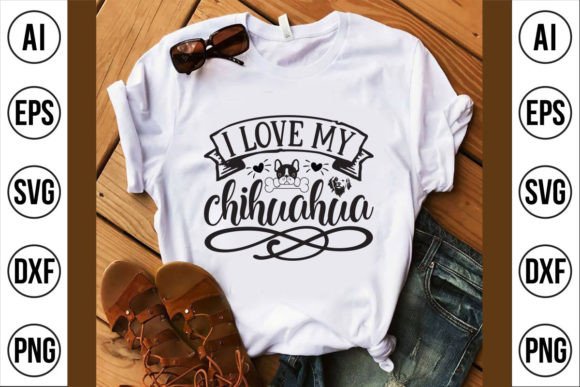
Right away, “I Love My Chihuahua” sets a mood. It’s cheerful and affectionate, with a layout that feels balanced for a small to medium-sized embroidery project. The personality is lighthearted, not overly cartoonish or overly detailed. This tells me it’s aiming for warmth rather than strict realism, which is perfect for creating a friendly, giftable item. It naturally belongs on personal apparel, casual home goods, and anything meant to convey a personal touch.
The Ideal Project Canvas
Thinking about real-life embroidery situations, this design calls out for specific applications. A custom sweatshirt for a proud pet owner, an apron for the dog-loving chef, or a cozy pillow cover in a home decor boutique all make perfect sense. For baby clothes or nursery decor, it would need pairing with simpler, softer complementary designs, but its gentle theme could work. As a handmade patch, it could become a fantastic standalone product for craft fairs, easily applied to caps or bags. For Etsy sellers and small shops, this kind of design is core merchandise: it’s relatable, has clear emotional appeal, and fits a well-defined niche.
The inclusion of high-resolution PNG and JPG with mockups is a huge plus for digital product sellers and creative entrepreneurs. It means you can create professional listings and previews without stitching a single thread first, building customer trust through clear visuals. The editable and color-changeable vector files (like AI, EPS, SVG) are the true power tools here. They allow embroidery designers to adapt the design seamlessly—perhaps simplifying elements for smaller hoop sizes or integrating it with other graphics for a boutique’s branded product line.
Where This Design Should Be Stitched With Care
No embroidery file is universally perfect, and practical judgment means noting the careful spots. For “I Love My Chihuahua,” the small details are the key consideration. Tiny lettering or intricate decorative accents, if present, demand attention. On textured fabrics like some sweaters, or on dark fabric where thread color contrast is critical, you’ll need to test thoroughly. Stitch density is always a question; a very dense fill stitch area on thin or stretchy fabric, like a t-shirt, could lead to puckering without the right stabilizer.
Curved surfaces like caps require checking the design’s adaptability in your software—how well it distorts without losing clarity. For products that need frequent washing, such as kitchen towels or baby items, the integrity of small elements under stress is important. And for layered garments with seams, placement is crucial. The advice is universal but vital here: always test this embroidery file on scrap fabric first. Use both light and dark background scraps to check thread color plans and review stitch density for your specific machine and hoop size.
From Digital File to Customer Reaction
How does “I Love My Chihuahua” affect the final product’s value? When stitched cleanly, it boosts visual appeal through its recognizable, happy theme. Stitching clarity directly impacts customer trust—a blurry or poorly executed detail looks amateurish. For a handmade presentation, this design, done well, reinforces craftsmanship. It enhances giftability because it’s personal and specific. For a small business, using it consistently across a line of products—tote bags, aprons, patches—can aid brand consistency. It feels professional when the technical execution matches the clean digital assets provided.
Buyer engagement starts with the mockups. A high-quality printable mockup allows a crafter to visualize the finished product immediately, which is invaluable for planning a holiday gift line or a new Etsy collection. It helps answer the question: “Will my customers smile when they see this embroidered on a sweatshirt?”
A Designer’s Practical Notes Before You Hoop It
Before you commit this design to a client’s custom apparel or your own commercial embroidery project, run through a final checklist. Inspect the small details in the file preview. Are there corners or curves that might challenge your machine’s satin stitch or running stitch? Confirm your intended hoop size can accommodate the design’s scale without forcing excessive reduction, which can compress details.
Check thread color contrast against your fabric choice. Sometimes a design looks vibrant on a white mockup but needs a different color palette for dark denim or black caps. Use proper stabilizer for your fabric type—this is non-negotiable for preserving the design’s integrity. Crucially, check the licensing terms provided with the files. Confirm whether your use—selling finished tote bags at a craft fair, offering digital embroidery files as a reseller, or creating personalized gifts for clients—is covered. Never assume.
The bundle of file formats mentioned means flexibility. The DXF might be useful for certain machine software, the PNG for quick digital previews. This design, as a graphics product, is a robust set of design assets. But the real magic happens in the translation. Does “I Love My Chihuahua” have the visual personality and technical adaptability to become a beloved, well-stitched reality on a tote bag, a baby blanket, or a boutique’s best-selling sweatshirt? From my review standpoint, its friendly vibe and editable foundation suggest it absolutely can, provided you apply that essential, practical embroidery designer wisdom every step of the way.