From Digital File to Embroidered Reality: A Beer Design Review
When a new embroidery design lands in my library, my first question isn’t just "What does it look like?" but "How will it live?" How will it translate from a screen to stitches on fabric, and what kind of project will it truly shine on? Today, I’m putting the Beer T-shirt Design under that practical microscope.
The Immediate Impression: A Design with Casual Character
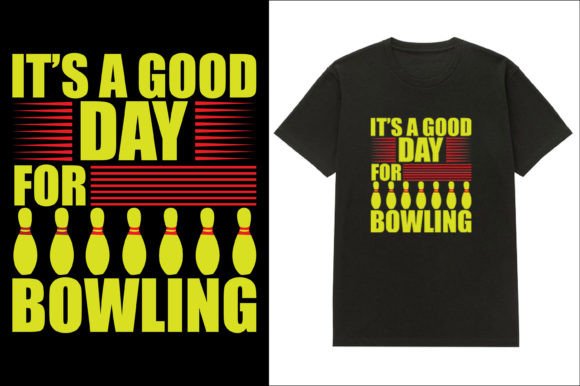
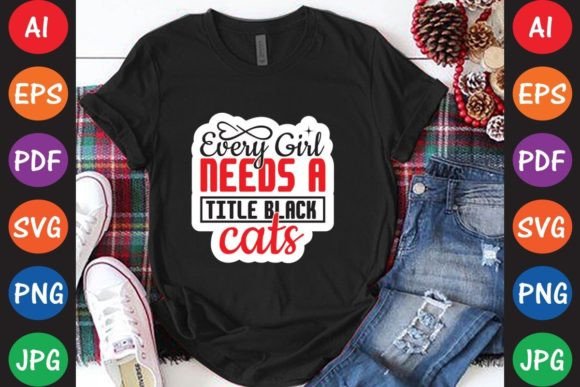
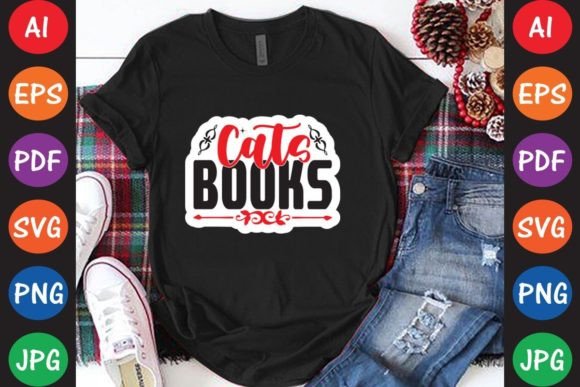
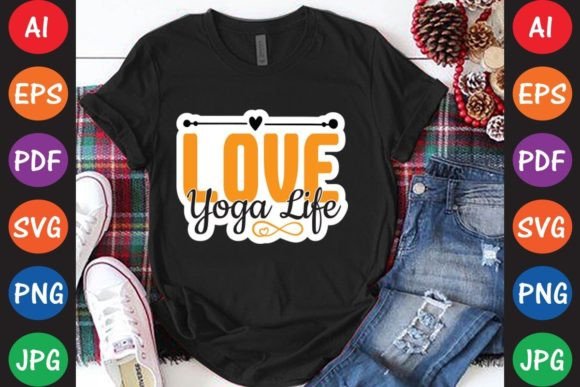
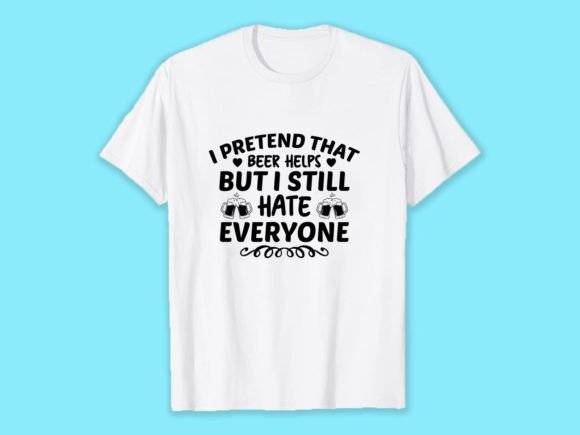
Right away, this design establishes a relaxed, celebratory mood. It’s not overly intricate or formal; it’s built for a good time. The layout, with its central focus and bold quotes, feels like it belongs on something worn or used in social settings. The personality is straightforward and friendly, which is perfect for a wide range of embroidery projects beyond just t-shirts. It naturally suggests use on casual apparel, gifts for gatherings, or merchandise for a hobbyist’s small business.
Where This Design Finds Its Perfect Home
In real-life embroidery situations, this Beer T-shirt Design has a lot of potential. I envision it working beautifully on a heavy cotton tote bag for a craft fair vendor—it’s bold enough to be recognizable from a distance. For a client project, it could be a great personalized gift on a high-quality sweatshirt or a sturdy apron for a home brewer. As a small business owner selling handmade items, you might consider it for a simple, clean patch or on the corner of a pillow cover for a themed room.
Thinking of holiday gifts or boutique products, a neatly embroidered version on a kitchen towel or a canvas cap could have real appeal. For digital product sellers, this design provides a solid graphic asset for printable mockups, helping customers visualize the finished product. The key is matching the design’s casual character to an item with a similar vibe.
Navigating the Stitching Terrain: Considerations for Success
To ensure this design performs well, we have to think like embroiderers. The provided files—AI, EPS, SVG, PNG, JPEG—are high-quality vector formats, which is excellent for scaling to different sizes. However, the real test happens in the hoop.
On textured fabrics like some sweatshirt materials, the quotes and outlines need sufficient stitch density to remain clear. On thin or stretchy fabrics, a good stabilizer is non-negotiable to prevent puckering, especially around any denser fill areas in the design. For dark fabric backgrounds, thread color contrast is crucial; you’ll want to test colors to make sure the design pops.
This design seems best suited for a moderate hoop size. On very small hoops, tiny lettering could become a challenge, losing clarity. Similarly, on curved surfaces like caps, the layout might need careful positioning to avoid distortion. Before running it on a final product, my standard advice is absolute: test it on scrap fabric first. Run a sample on both a light and dark scrap to inspect small details and stitch integrity.
How Embroidery Elevates the Design’s Value
Once stitched, this design transforms from a graphic into a tangible product. That transformation impacts everything. The handmade presentation adds warmth and value, turning a simple graphic into a custom apparel item or a personalized gift. For an Etsy seller or creative entrepreneur, a clean, well-executed embroidery of this design builds customer trust—it shows professional care.
The design’s recognizable theme aids in buyer engagement; it speaks directly to a specific interest. For brand consistency, if your craft business revolves around casual, fun themes, this design could fit right in. As a holiday gift or a boutique product, the embroidered version feels more substantial and thoughtful than a printed one.
A Designer’s Practical Notes Before You Stitch
Here’s my mental checklist before I’d use this Beer T-shirt Design for a client or my own shop.
- File Prep: Since we have vector files, I can scale the design to my needed hoop size without quality loss. I’ll confirm the final size works with my machine and stabilizer choice.
- Color & Fabric Test: I’ll mock up thread colors, especially if deviating from the RGB colors shown. Testing on actual project fabric (or a close match) is the only way to gauge final visual appeal.
- Detail Inspection: I’ll look closely at the design in my software, checking any corners or intricate spots that might need slight adjustment for smooth stitching.
- Project Alignment: I’ll ask myself: Is this for a personal project, a gift, or commercial sale? I’ll confirm the licensing terms for this design before selling any finished items or derived digital products. The product description doesn’t specify license details, so that’s a necessary step.
- Presentation: For commercial projects, I might stitch a perfect sample and use it for photos in my Etsy listing or small shop marketing, showing the real handmade quality.
The Final Judgment: A Versatile Graphic for Casual Projects
Overall, the Beer T-shirt Design presents itself as a straightforward, mood-setting graphic that holds strong potential for embroidery. Its success hinges entirely on the embroiderer’s skill and preparation—choosing the right fabric, using proper techniques, and aligning it with a suitable product.
It’s not a design for fine, delicate fabrics or formal occasions. It’s for the tote bag at the barbecue, the cap at the game, the apron in the garage, the gift for a friend who appreciates a cold one. It’s a design that, when stitched well on the right item, can create a product with genuine character and appeal. My recommendation is to embrace its casual nature, prepare your embroidery process thoroughly, and let it become a fun, well-crafted part of your handmade world.