You Can't Scare Me Graphics for T-Shirt Designs
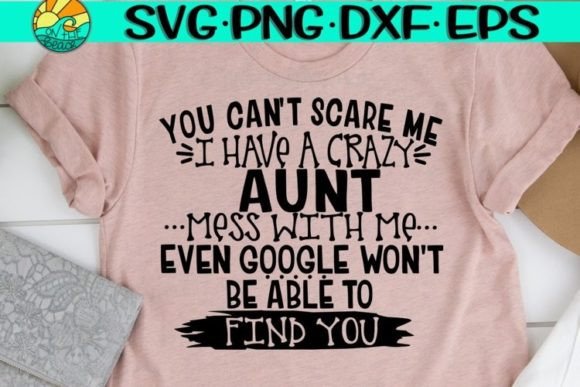
As I prepare a new collection for my Etsy shop this season, my first impression of this design asset is immediate. The phrase has a playful, bold, and personal feel. It’s not a generic graphic; it speaks directly to a specific mood—a mix of humor, family pride, and confident attitude. This tells me it will resonate with buyers looking for a statement piece, not just a decorative element.
Niche Appeal and Target Audience
The design has strong potential in the “family humor” or “sassy gift” niche. I envision it attracting customers looking for gifts for an aunt, niece, or a friend with that personality. It could work for playful family reunions, birthday presents, or simply for someone who wants to wear their family pride. The style leans towards casual, modern, and a bit handmade in spirit, which fits well with the current trend of personalized, conversational apparel.
For my product listings, this means I can target several audiences: Etsy shoppers looking for unique aunt-themed gifts, print-on-demand sellers aiming for viral or relatable content, and crafters making personalized items for friends.
Real Product Applications for a Seller
This isn’t just a t-shirt graphic. As a commercial design asset, its utility in my shop will be tested across multiple formats before I commit to a full listing launch.
Primary Uses for Immediate Sales
My first test will be on core merchandise. I’ll apply it to:
- T-shirt graphics, both center chest and full-back prints.
- Mug designs, wrapping the text around the curve.
- Tote bag prints, making a bold statement bag.
- Sublimation designs for tumblers and pillows.
For digital downloads, I’ll bundle it as a versatile SVG and PNG file set, clearly noting it's compatible with popular cutting machines like Cricut, Silhouette, and laser engraving software.
Extended Uses for Collection Building
To build a stronger product line, I’ll explore:
- Printable wall art in a fun, framed mockup.
- Planner stickers and scrapbooking elements.
- A simple greeting card or invitation template.
- Social media graphics for promoting the themed collection.
- Canva templates where buyers can easily add this graphic to their own projects.
This approach turns a single graphic into a small, cohesive product family, increasing perceived value and customer choice.
Evaluating Presentation and Market Fit
How this asset looks in my shop’s presentation is crucial. I’ll test its thumbnail appeal by placing it on product mockups. Does it stand out in a crowded marketplace feed? The bold, clear statement likely has good click-through potential. For brand consistency, if my shop leans towards playful, conversational designs, this fits perfectly. It aids in visual storytelling—each mockup tells a short story about the person who would use this product.
Where This Design Asset Works Best
It excels in:
- Large product previews where the text is easily readable.
- Themed bundles (e.g., a "Funny Family" digital pack).
- Decorative layouts where it’s the focal point.
- Merchandise graphics on light-colored apparel.
- Social media promos for holiday or gift-giving seasons.
Where to Exercise Caution
I’ll be careful using it in:
- Tiny sticker details where the text becomes illegible.
- Overly complex layouts that compete with the message.
- Crowded thumbnails where it loses its impact.
- Products requiring extremely clean cutting lines; I need to verify the SVG path quality for intricate cutter use.
- Dark backgrounds without ensuring proper contrast is maintained.
Practical Seller Notes Before Publishing
Before listing any product using this graphic, my checklist is straightforward and business-minded.
First, I test the design on real mockups across different products. I preview it as a marketplace thumbnail to see if it grabs attention. I check how it looks on both white and dark backgrounds to ensure versatility. For print products, a test print is essential to verify color rendering.
For the digital download itself, I inspect the file formats. PNG transparency must be clean. SVG cut lines, if included, need to be inspected in my software to ensure they are separate, clean paths for cutter projects. I confirm the file resolution is suitable for the print sizes I intend to offer.
Organization is key for customer satisfaction. If I sell the digital asset, I’ll package the files clearly—labeling SVG, PNG, and any included versions.
Pairing this graphic with fonts can enhance product mockups. It pairs naturally with a confident sans-serif for a modern look, a playful script for a handmade feel, or a bold display font to amplify the message. I’ll create mockups using these combinations to see which feels most marketable.
The final, non-negotiable step: confirming the commercial license. I must ensure I have the right to sell finished products using this asset on my chosen platforms before any listing goes live.
Building a Professional Collection
Ultimately, an asset like You Can't Scare Me I Have a Crazy Aunt supports a more professional shop by allowing me to offer a coordinated product range. Instead of a one-off t-shirt design, I can present a suite of options—digital files, physical merchandise, and printable decor. This makes my shop look more established and thoughtful, building customer trust.
It encourages repeat visits; a customer who buys the SVG for their Cricut project might later return for the mug. By testing it thoroughly across applications and presentations, I mitigate the risk of a poor-performing listing and increase the chance this graphic becomes a reliable, sellable part of my digital product inventory.