Why 'Self Care is Not Selfish' Embroidery Resonates
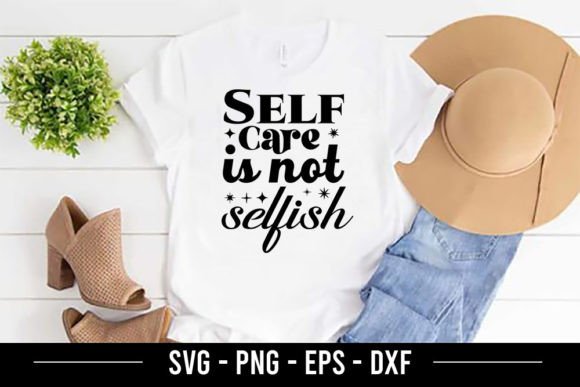
Every so often, a design comes across my desk that feels more like a message than a graphic. 'Self Care is Not Selfish' is exactly that. As a designer who stitches words and images onto fabric for real people, my first thought wasn’t about file formats or stitch counts. It was about the quiet, affirming weight of those words when they become a tangible part of someone’s day. The phrase carries a gentle authority, a reminder that’s both personal and universal. Visually, it’s straightforward and clean, which in embroidery terms, is a gift. The layout promises clear, readable stitching without overly dense areas that can pucker fabric. It feels like a design meant to be worn, carried, or displayed, not just viewed.
The Perfect Project for This Message
I immediately pictured this on a soft, fleece-back sweatshirt. It’s a cozy, personal canvas for a personal message. But my mind didn’t stop there. A high-quality tote bag, something a client carries daily, makes another natural home. The design would stitch up beautifully on a cotton bag, offering a subtle daily mantra. For a heartfelt gift, consider a neatly embroidered kitchen towel or a pillow cover for a friend’s reading nook. In a boutique setting, this design could anchor a line of mindful self-care merchandise—from simple tees to elegant robe tags. Its tone is versatile: it works for a baby’s onesie as a gentle motto for a new parent, and equally well on a professional apron for a wellness practitioner.
Where It Shines and Where to Be Cautious
This embroidery file excels on stable, medium-weight fabrics. Cotton, canvas, denim, and fleece will be your best friends. The clarity of the lettering will hold up, and the overall sentiment enhances the perceived value of the handmade product. For customer trust and a professional finish, a clean satin stitch or a crisp fill stitch on the text will make it pop. On darker fabrics, with careful thread color choice (a soft cream or a bold white), it becomes a striking statement.
However, approach with care on very small hoop sizes or intricate areas. The integrity of the message depends on readable lettering. Shrinking it down for a cap’s curved front or a detailed patch corner might require a test run to ensure the smaller stitches don’t blur the words. Similarly, on highly textured or stretchy fabrics like some knits, a robust stabilizer and a mindful stitch density are crucial to prevent distortion. Always, always test on a scrap of your target fabric first. This isn’t just about technique; it’s about preserving the design’s calming visual personality.
Thinking Like a Business Owner and a Crafter
If you’re selling finished products, this design speaks directly to current sensibilities. An embroidered tote with this phrase isn’t just a bag; it’s an accessory to a mindset. That boosts giftability and buyer engagement. For Etsy sellers and craft fair vendors, it taps into a meaningful niche. When stitching for commercial embroidery projects or small shop merchandise, consistency is key. Use the same thoughtful thread palette and placement to build a recognizable brand around such uplifting themes.
As a digital product seller, the included file formats offer flexibility for your customers. The SVG, PNG, EPS, and DXF files allow for various uses, from digital mockups to direct machine embroidery. Advise your buyers, as I would, to always verify their specific machine compatibility and licensing terms before proceeding to a finished product. A quick test in a black and white digital mockup can also help visualize contrast on both light and dark backgrounds before any thread is committed.
Your Practical Designer Checklist
Before you hoop your fabric, make this your routine:
- Stitch a sample on your actual project fabric scrap. Check for clarity.
- Analyze thread color contrast against your background fabric. Does it affirm or shout?
- Review the stitch density in your software. Is it suitable for your fabric’s weight and texture?
- Confirm your hoop size can accommodate the design without forcing excessive scaling.
- Inspect any small details in the lettering to ensure they’ll survive the stitching process.
- Use the appropriate stabilizer for your chosen application—this is non-negotiable for quality.
- Clearly understand the licensing for your use: is this for a personal gift, or for commercial sale?
Embroidery, at its best, turns a sentiment like 'Self Care is Not Selfish' into a soft, tangible reality. It moves from a digital graphic on a screen to a textured, thread-rendered statement on someone’s favorite sweatshirt or bag. That transition is where our craft lives. This design supports that journey beautifully, offering a message worth stitching and a result that feels both genuine and professionally done. It reminds us that the best embroidery projects are those that connect, and this one has connection woven right into its words.