Plane All the Things: An Honest Design Review for Your Next Project
When a new embroidery design lands in my library, I don’t just glance at the preview. I think about how it will live on fabric, how my needle will interpret it, and whether it will bring a genuine smile to someone’s face or elevate a product in my shop. So, let’s talk about Plane All the Things from that practical, stitch-by-stitch perspective.
The First Impression: A Clever, Whimsical Mood
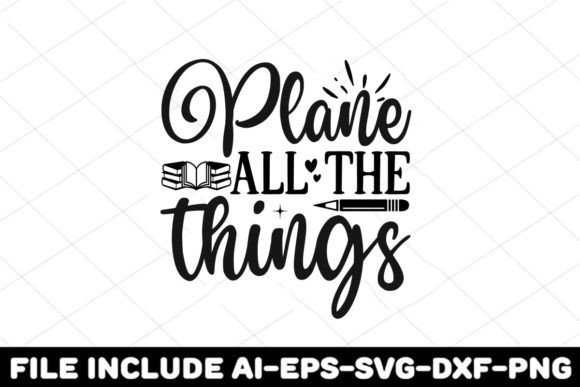
This design immediately strikes a playful, confident tone. The concept itself—a straightforward instruction to just “plane all the things”—has a charming, maker-friendly personality. Visually, I assess its layout for embroidery viability. The typography isn’t overly delicate; it feels sturdy, which is excellent news for stitch clarity. The overall shape and balance suggest it won’t require excessive hoop real estate, making it adaptable for many projects. This isn’t a hyper-detailed illustration; it’s a statement with character, perfect for projects where the message is the star.
Where This Design Naturally Belongs
My mind starts running through scenarios. I picture it on a heavyweight cotton sweatshirt for a woodworking enthusiast, a crisp statement on a canvas tote bag for a craft fair vendor, or even as a bold patch on a work apron. It would shine on personalized gifts—think a custom embroidered pillow cover for a carpenter’s birthday. For small business merchandise, like items for a local hardware store or a maker’s boutique, it adds that perfect touch of insider humor. The design’s mood leans into practical creativity, so it resonates with makers, whether they’re hobbyists or professionals.
Real-Life Embroidery Scenario: The Weekend Workshop Tote
Imagine preparing a custom tote bag for a client who runs a small weekend woodworking workshop. They want something unique for their attendees. Plane All the Things is in contention. I’d consider stitching it centrally on a natural canvas bag. The bold lettering would stand up well to the fabric’s texture, and the message is directly relevant, creating a product that feels thoughtfully curated, not just generic. The value here is in the perfect thematic fit, which builds customer trust and makes the handmade presentation feel intentional.
Performance in Key Embroidery Situations
For apparel like t-shirts and sweatshirts, the design’s clean layout is a major advantage. On a dark fabric, I’d plan for good thread color contrast—perhaps a bright white or a metallic silver satin stitch for the letters to ensure pop. For baby clothes or delicate items, I’d likely scale it down carefully and consider a softer fill stitch if the density allows. As a potential embroidered patch, its edges and shape look manageable for applique techniques. On caps or curved surfaces, the design’s relatively compact form is promising, though I’d always advise testing the file’s suitability for curved hooping.
Beyond stitching, the included high-resolution PNG and JPG with mockups are invaluable for my business side. They allow me to create professional listings for my Etsy shop or craft fair previews, showing customers a polished vision of the finished product before I even thread the machine. This boosts buyer engagement and helps sell the idea.
Where to Exercise a Bit of Caution
Like any design, it has contexts where careful planning is key. If you’re thinking of very small hoop sizes for intricate items like jewelry pouches, you must inspect the small details of the lettering in your software first to ensure clarity. On highly textured fabrics like linen or looped towels, test on scrap fabric to see how the stitch definition holds up. For thin or stretchy fabrics, proper stabilizer choice is non-negotiable to prevent puckering, especially if any element has dense stitch areas. And while the design feels bold, tiny lettering within the main phrase would need a close review for stitch integrity.
Affecting Product Value and Professionalism
Using a well-executed design like this directly impacts your work’s perceived value. A clean, crisp embroidery of Plane All the Things on a product conveys professionalism and attention to detail. It makes a gift feel specially commissioned and boosts brand consistency if you’re using it across a line of shop merchandise. The recognition factor—that clever phrase—can turn a simple item into a conversation piece, which is gold for a creative entrepreneur.
Practical Designer Notes Before You Hoop
My standard process applies here, and I recommend it to you. First, always test the design on scrap fabric that matches your final project’s material. This reveals everything: how the thread colors interact with your background, the actual stitch density, and whether any corners or details need slight adjustment. Check your software for the recommended hoop size; don’t assume.
Since the product description mentions multiple editable vector files (AI, EPS, SVG, DXF) and a PNG, this is a strong suite for customization. You can tweak colors or layout if needed for your specific project. However, a crucial step is to confirm the licensing terms before selling finished items or using the files in commercial embroidery projects. The description doesn’t spell out the license, so you must verify that your intended use—whether for personalized gifts or for mass production in your small shop—is permitted.
A Final Thought on Real Use
Approaching Plane All the Things as a graphics product for t-shirt designs, its strength lies in its adaptability and clear personality. For embroidery, it translates into a statement piece that stitches up efficiently and communicates effectively. It’s not a fussy, overcomplicated design that will challenge your machine on every run. Instead, it feels like a reliable, witty asset for your embroidery project library—one that, with proper testing and thoughtful application, will result in finished products that look professional, feel personal, and genuinely connect with the people who receive them.