Hold on Let Me over Think This: A Designer's Real-World Review
When a new embroidery file lands in my inbox, my first question is always, "Where does this belong in the real world?" I’m not just looking at pixels on a screen; I’m imagining stitches on fabric, a product in a shop, or a gift in someone’s hands. Today, I’m thinking through Hold on Let Me over Think This from that exact perspective.
The Immediate Mood & Visual Personality
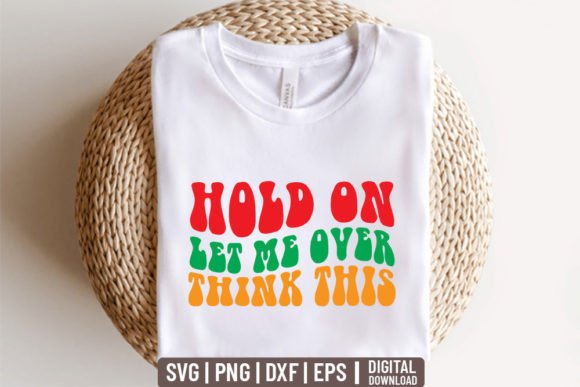
The phrase itself is the star here. It’s a wonderfully self-aware, relatable bit of humor. The design’s personality is casual, friendly, and instantly engaging—it feels like a confession shared between friends. As a graphic, its layout is straightforward, which is a huge plus for embroidery. There’s no overly intricate, tiny detailing that will vanish under a satin stitch. The words are the focus, creating a clear, bold statement piece. This isn’t a subtle, decorative motif; it’s a conversational centerpiece.
The Natural Habitat: Where This Design Thrives
Let’s picture a real scenario. I’m preparing a custom order for a client who wants a personalized, witty gift for a friend who is a notorious planner. A cozy, high-quality sweatshirt or a sturdy canvas tote bag immediately comes to mind. Hold on Let Me over Think This is perfect for these larger, everyday items. It creates a personalized product that feels thoughtful and unique.
The design naturally excels on:
- Statement Apparel: Sweatshirts, hoodies, and t-shirts where the text becomes a wearable personality trait.
- Home & Kitchen Goods: Tea towels, apron pockets, or pillow covers in a casual kitchen or living space.
- Practical Accessories: Tote bags, caps, and durable patches—items used by people who appreciate a bit of daily humor.
- Personalized Gifts: Baby blankets or nursery decor for the over-planning parent, adding a lighthearted touch.
- Small Shop Merchandise: For Etsy sellers or craft fair vendors, this design translates into a product with clear, relatable appeal that customers understand instantly.
Considering the Stitch: Practical Embroidery Performance
Moving from concept to hoop, the clean layout of this design is its greatest technical asset. The lack of extreme detail means good stitch clarity. However, with any text-based design, lettering is always a focal point for scrutiny. I would strongly advise testing on scrap fabric first, especially to check the stitch density in any fill areas and the clarity of the smaller letters. Using a proper stabilizer is key to keeping everything crisp, particularly on stretchy fabrics like t-shirts or on textured fabrics like some sweatshirts.
A crucial consideration is thread color contrast. This design will sing on light backgrounds and command attention on dark ones, but the effect is different. On a dark fabric, the text becomes a bold, graphic stamp. On a light fabric, it feels more like printed prose. I’d test it in both black and white mockups to visualize the final product’s mood.
Where to Use With Extra Care
While versatile, some applications require a bit more forethought:
- Very Small Hoop Sizes: Trying to squeeze this onto a tiny area, like a baby hat or a small pocket, might compromise the readability and impact.
- Curved Surfaces: On caps or hats, the linear layout might need careful positioning to look balanced on the curved plane.
- Fabrics Requiring Frequent Washing: For items like kitchen towels or baby clothes, a robust stitch density and durable thread choice will ensure the humor lasts through many washes.
Beyond the Stitches: Value, Trust, and Engagement
When I choose a design for a client project or my own craft business, I’m also thinking about the finished product’s story. Hold on Let Me over Think This adds value through its immediate emotional resonance. It’s not just decoration; it’s a shared joke. This builds customer trust because the product feels authentic and thoughtfully chosen.
For a handmade presentation, this design offers great brand consistency for a shop with a casual, humorous, or relatable vibe. Its giftability is high—it’s the kind of item you buy because you know exactly who it’s for. In a crowded marketplace, that instant recognition is a professional advantage that boosts buyer engagement.
A Designer's Final Notes Before Hooping Up
My process before running any machine embroidery design is methodical. For this one, I’d:
- Test it on my standard scrap fabric to check for any potential thread buildup or unclear areas.
- Review the provided file formats (SVG, PNG, EPS, DXF) to confirm compatibility with my software and embroidery machine, noting they are stated as ready for major platforms.
- Plan my thread palette based on the final fabric color—this design calls for a single, strong contrasting color or a clever two-tone approach for added depth.
- Confirm the licensing terms for this digital embroidery file. Before selling any finished product or using it in commercial embroidery projects, I must know if my use is permitted. The product category is listed as T-Shirt Designs and Graphics, but the specific license needs to be verified from the source.
- Finally, imagine it stitched. Will it make someone smile when they see it on their tote bag? Will it feel like a quality addition to a boutique’s product line? With Hold on Let Me over Think This, my practical judgment is yes. It’s a design with a clear voice and a straightforward path from digital file to a beloved, embroidered finished product.