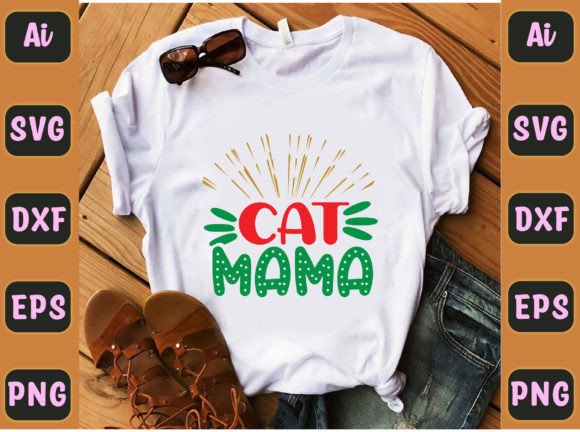
Cat Mama 26: A Graphic Asset for Editorial and T-Shirt Design
As a digital publisher, the first thing I do when evaluating a graphic design asset is to imagine it in my actual workflow. Cat Mama 26 landed on my screen with an immediate sense of playful warmth. This isn’t a sterile, corporate graphic; it’s a design that whispers “lifestyle” and “community.” It creates an editorial mood that is welcoming, slightly feminine, and undeniably modern. For a blogger or content creator in niches like pet care, modern motherhood, casual fashion, or creative hobbies, this asset is a ready-made visual shortcut to establishing that friendly, trustworthy tone.
The Editorial Mood and Reader Perception
Visual communication sets the stage before a single word is read. Using Cat Mama 26 as a primary visual on a content page tells your reader something important. It suggests your content is approachable, personal, and crafted with care. This directly affects reader trust; a polished, relevant graphic signals that the publisher invests in quality, which makes the accompanying content feel more credible. For an affiliate blog reviewing pet products or a newsletter focused on creative parenting, this design asset aligns perfectly with the audience’s expectations.
Real Publishing Applications: Beyond the T-Shirt
While its category is T-Shirt Designs, the utility of a clean, vector-based graphic like Cat Mama 26 extends far beyond apparel. In a real publishing workflow, I’d deploy it across multiple touchpoints to build a cohesive visual identity.
- Blog Featured Images & Article Headers: Scale it large as a website header for a post about “Creative Cat Owners” or use it as a dominant element in a blog graphic, paired with a strong headline in a clean sans-serif font.
- Pinterest Pins & Social Media Graphics: Its clear, bold forms are ideal for Pinterest pins and Instagram posts. The design creates instant category recognition for pet-related content, improving click-through potential.
- Newsletter Banners & Digital Guides: Use it as a header graphic in an email newsletter for a pet-focused small business, or as a decorative accent on the cover of a downloadable “Cat Care Essentials” digital guide.
- Lead Magnets & Printables: Incorporate it into worksheets, checklists, or media kits offered as content upgrades. It elevates these resources from plain documents to professional-looking creative designs.
- Website Branding & Category Visuals: Employ it as a recurring visual motif on a blog’s “Pets” category page or in the sidebar, strengthening visual hierarchy and creating a more memorable brand identity.
- Canva Templates & Digital Ads: Import the SVG into Canva to create reusable templates for social media previews or small digital ads, ensuring consistent branding across affiliate content visuals.
Supporting Content Performance with Professional Polish
Every publisher knows that a stronger first impression leads to better engagement. Cat Mama 26, when used strategically, contributes directly to content performance. Its modern, clean style makes an article thumbnail look curated rather than generic. This clarity in visual hierarchy helps readers instantly understand the content’s theme, which is crucial for busy browsing on social media or in search results. For a website owner, repeating this design across related content builds a subtle but powerful visual system that makes your entire site look more cohesive and professionally published.
Where This Creative Design Works Best
Based on its style, I’d prioritize Cat Mama 26 in visually dominant applications.
- Hero Images and Blog Graphics: Where it can be large and uncluttered.
- Pinterest Pins and Article Thumbnails: Where its bold shapes remain recognizable at smaller scales.
- Content Upgrades and Downloadable Resources: Where it adds decorative value without overwhelming instructional text.
- Newsletter Headers and Social Media Previews: Where it acts as a brand signature for a specific content niche.
Publisher Notes: Practical Integration into Your Workflow
Before committing any design asset to live use, I run through a practical checklist. Here’s how I’d approach Cat Mama 26.
First, test it on both desktop and mobile screens. How does it look as a tiny thumbnail on a smartphone? Preview it inside a real blog layout mockup. Place it beside different font styles—a sharp sans-serif for modern blogs, a friendly serif for editorial sites, even a playful script for more decorative purposes—to ensure it complements your typography.
Check contrast and readability if you overlay text. Try a version in black and white to ensure it retains its impact in simpler color schemes. Since it’s provided as an SVG and DXF file, remember that these vector formats are ideal for scaling, but for web use, you’ll export to PNG or JPG. Always review file size and compress images properly for web performance; a beautiful graphic shouldn’t slow down your page load.
A crucial final step: confirm the commercial licensing terms. As a digital publisher using graphics on monetized websites, affiliate pages, or within paid digital products like eBooks, you must ensure your use is covered. This asset, from its description, is a digital download for use with software like Adobe Suite or Silhouette, implying flexibility, but always verify licensing for your specific commercial projects.
Careful Application: When to Use a Different Asset
While Cat Mama 26 is versatile, its playful and illustrative nature means it should be used carefully in certain contexts. Avoid it on text-heavy blog images where the design might compete with lengthy paragraphs. It may feel out of place on low-contrast backgrounds where its details get lost, or within already busy layouts that need minimalism. For serious professional niches like corporate finance or academic research, this design would not align with the required tone. Websites that demand a very minimal, austere visual system should likely choose a more abstract asset.
In essence, Cat Mama 26 is a graphic design asset that bridges the gap between commercial design and editorial warmth. It allows publishers, from bloggers to affiliate marketers, to inject consistent, quality visuals into their content marketing with minimal design overhead. By understanding its mood and applying it thoughtfully across your publishing workflow—from website headers to Pinterest pins to digital guides—you can significantly improve the polished, clickable presentation of your entire content library.