Bee T-Shirt Design 17: A Handmade Business Review
As a designer who spends more time with an embroidery machine than a coffee cup, I’m always looking at new files with a practical eye. How will it stitch out? What kind of product will it make? Who would want to buy it? Today, I’m considering Bee T-shirt Design 17, not just as a graphic, but as a potential asset for your craft business or next personal project.
The First Buzz: Mood and Personality
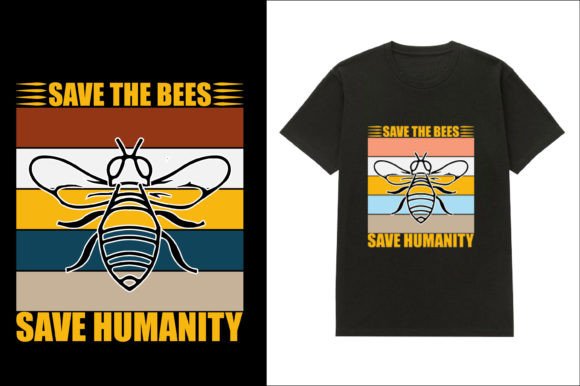
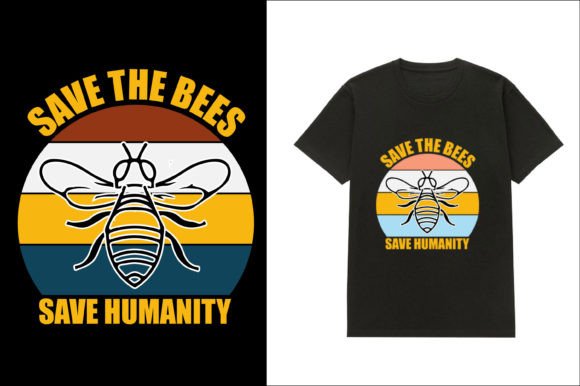
Bee T-shirt Design 17 immediately strikes a cheerful, friendly tone. The subject itself—a bee—carries connotations of nature, hard work, and sweetness, which is a wonderful starting point for any handmade product. The layout feels balanced, and the level of detail suggests it’s designed to translate well into stitches without becoming overly complex. This visual personality isn’t aggressive or overly trendy; it’s approachable. It feels like it belongs on something meant to bring a smile—a baby’s onesie, a cozy kitchen towel, or a gift for a gardener.
Where This Design Finds Its Home
Let’s talk real-life application. I picture this design perfectly on a custom embroidered tote bag for a small shop selling honey or local goods. It would be a charming, branded item. For a crafter or Etsy seller, it could elevate a simple sweatshirt into a boutique product. As a personalized gift, stitched onto a child’s apron or a set of nursery pillow covers, it would be delightful. The theme is versatile enough for everyday wear but also carries that gentle, natural appeal that works for holiday gifts or wedding favors. It’s a strong candidate for baby embroidery, adding a touch of whimsy to blankets or caps without being too loud.
Thinking commercially, Bee T-shirt Design 17 could be a reliable piece in your catalog of embroidery files. It’s not a niche graphic; it has broad appeal. For apparel decorators, it’s a safe bet for a spring or summer line. As a digital embroidery file, its value lies in that adaptability—it’s a design asset you can use across multiple products, from patches to tea towels, helping build brand consistency for a creative entrepreneur.
Stitching It Out: Practical Performance Notes
When you load this design into your machine, your primary consideration will be scale. Given its likely detail level, I’d advise testing it in a medium to larger hoop size to preserve clarity in the smaller elements, like the bee’s wings or any tiny decorative accents. A very small hoop might compress those details and make the satin stitches or fill stitches too dense.
Fabric choice is key. This design would shine on a stable, smooth fabric like cotton for a tote or a polo shirt. On highly textured fabrics or very thin, stretchy fabric, you’ll need excellent stabilizer to prevent puckering and maintain the shape. For dark fabric backgrounds, thread color contrast is crucial—you’ll want to test a few high-contrast color palettes on scrap fabric first to ensure the cheerful mood isn’t lost. On curved surfaces like caps, the balanced layout should hold up well, but always check the placement in a mockup.
Areas for Careful Consideration
This is where the reviewer’s experience speaks. Any design with potential small lettering or dense stitch areas requires extra attention. Before running Bee T-shirt Design 17 on a final product, stitch it out on a test piece. Inspect those small details. Does everything read clearly? Is the stitch density appropriate for the fabric you’re using for, say, a baby garment that needs frequent washing? Too dense embroidery can make a fabric stiff and less durable.
Also, consider the end-use. If you’re creating a patch, the design’s edges and corners need to be clean. For layered garments or items with seams, placement is everything to avoid stitching over awkward areas. I always recommend testing the design in both black and white printable mockups and on actual light and dark fabric backgrounds. This simple step dramatically increases customer trust in your finished product because you know exactly how it will look.
The Impact on Your Business and Buyers
Using a design like this effectively boosts your product’s visual appeal and perceived value. A well-embroidered bee on a sweatshirt feels more handmade and special than a printed graphic. It speaks to craftsmanship. For your customer engagement, it’s a recognizable, friendly motif that encourages a positive reaction. It’s giftable. It looks professional when executed well.
This directly affects your brand if you’re a small business owner or Etsy seller. Consistently offering well-executed embroidery designs builds a reputation for quality. Bee T-shirt Design 17, as part of that offering, contributes to a cohesive, appealing shop aesthetic.
Final Designer Advice Before You Hoop It
My strongest practical note is this: always confirm the basics before committing to a commercial embroidery project. While the product description mentions experience and custom merch, it doesn’t list specifics. Therefore, you must check the included file formats for your machine, the exact hoop size recommendations, and most importantly, the licensing terms. Can you use this embroidery file for personal and commercial projects? Clarifying this is essential before selling any finished product or digital product derived from it.
Once licensing is clear, your process should be: test on scrap fabric, review stitch density and thread color choices, confirm your stabilizer is correct for the final fabric, and inspect the stitched sample for any issues with small details. Only then proceed to that custom apparel, boutique product, or holiday gift. This approach ensures Bee T-shirt Design 17 becomes a reliable, profitable part of your embroidery project repertoire, resulting in a finished product that both you and your customers will love.