A Playful Pickleball Design for Embroidery Projects
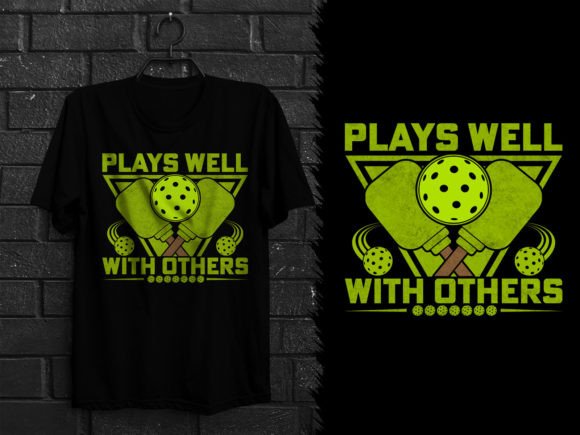
When you’re looking at a new embroidery design file, especially one with a fun theme like the "Plays Well with Others Pickleball Tshirt," the first question isn’t just about its appearance on screen. It’s about how it will translate into thread and fabric. This design, with its clear pickleball theme, presents an immediate mood of friendly, lighthearted competition. It’s not overly aggressive or serious; it’s social and inclusive. That’s a valuable personality for a handmade product.
The Visual Character and Project Fit
The layout and wording suggest a design built around a central, likely bold, statement. The phrase "Plays Well with Others" is the star. For an embroidery designer, this means the lettering will be the focal point. The detail level appears geared towards clean, readable text, potentially complemented by a pickleball graphic element. This isn’t a hyper-detailed, miniature scene; it’s a statement piece. That makes it a natural fit for projects where the message needs to be clear and engaging from a few feet away.
In my experience, a design like this belongs on items meant for community, activity, or lighthearted gifting. Think custom embroidered sweatshirts for a pickleball club, tote bags for players, or aprons for a fun kitchen vibe. I recently considered it for a set of personalized pillow covers for a couple who are tournament organizers—it hit the right tone perfectly. Baby clothes or nursery decor could work if stylized appropriately, but the adult, playful theme feels strongest for apparel and accessories for players and enthusiasts.
Performance in Real-World Embroidery Applications
Let’s walk through how this machine embroidery design would perform in actual projects. On a standard cotton tee or polo, the design should stitch out cleanly, provided the lettering isn’t overly thin. For a sweatshirt or hoodie, the thicker fabric can support good stitch definition, especially with proper stabilizer. A tote bag made of canvas or denim would be an excellent canvas, offering durability and a large, flat surface.
For more commercial or small business applications, like patches for team jackets or caps, the scale becomes critical. Embroidered patches require a robust design that won’t lose integrity when reduced. If the design’s pickleball graphic has small details or the lettering uses tiny serifs, it might fray on a curved cap surface. Testing on a scrap of similar fabric is non-negotiable here. This design also lends itself well to digital product previews and printable mockups for Etsy sellers or craft businesses selling the finished embroidered product online. Its clear theme helps in buyer engagement.
Where Caution is Needed
There are a few scenarios where I’d proceed carefully with this embroidery file. First, on very stretchy fabrics like certain performance knits. High stitch density in the fill areas of a graphic could cause puckering without the right stabilizer strategy. Second, on dark fabric backgrounds. The thread color contrast needs to be planned meticulously—a white or bright satin stitch for the lettering on a black garment can look stunning, but you must ensure the design’s intended clarity isn’t lost in the translation.
Small hoop sizes might compress the design too much, making small lettering illegible. Also, products destined for frequent washing, like kitchen towels or baby items, need a design that isn’t too densely stitched in one area, which could wear faster. Always inspect the small details in your software preview before committing to a hoop.
Impact on Product Value and Customer Perception
Using a design like this on a handmade product does more than just decorate it. It creates a specific connection. For a pickleball player receiving a custom embroidered towel or cap, it feels personalized and relevant. That increases the perceived value and giftability immensely. For a small shop owner selling at a craft fair, it shows an understanding of a niche community, building customer trust and recognition.
The professionalism of the final embroidered product hinges entirely on your execution. A clean stitch-out of this design, with no loose threads or misaligned elements, presents a finished product that looks confident and intentional. It supports brand consistency for a business focused on sports or active lifestyle merchandise.
Practical Notes for the Embroidery Designer
Before running this design, my standard protocol applies. Test it on a scrap of the actual project fabric first. This reveals how the stitch density behaves and whether any fill stitch areas need adjustment. Check thread color contrast by running a small section or reviewing the design in a black-and-white mockup to judge value contrast.
Confirm the hoop size required fits your project. For a tote bag, you might need a larger hoop; for a cap, a specialized one. Always use the proper stabilizer for the fabric type—this is the unsung hero of embroidery clarity. Crucially, review the licensing terms provided by the source. The product description mentions it’s from a store with many t-shirt designs, but as a professional, you must confirm whether this embroidery file is cleared for commercial use, personal use, or both before selling any finished items or incorporating it into digital design assets for clients. Never assume.
Finally, consider the design’s versatility. Could it work as an applique design if simplified? Might the graphic element be separated for a smaller project? Thinking through these angles helps maximize the value of a single digital embroidery file.
The "Plays Well with Others Pickleball Tshirt" design, from a practical standpoint, is a solid contender for projects targeting a fun, active audience. Its success will depend entirely on your skill in adapting it to the right fabric, scale, and context. With careful testing and a clear understanding of its licensing, it can become a reliable part of your embroidery project repertoire for creating engaging custom apparel and handmade gifts.